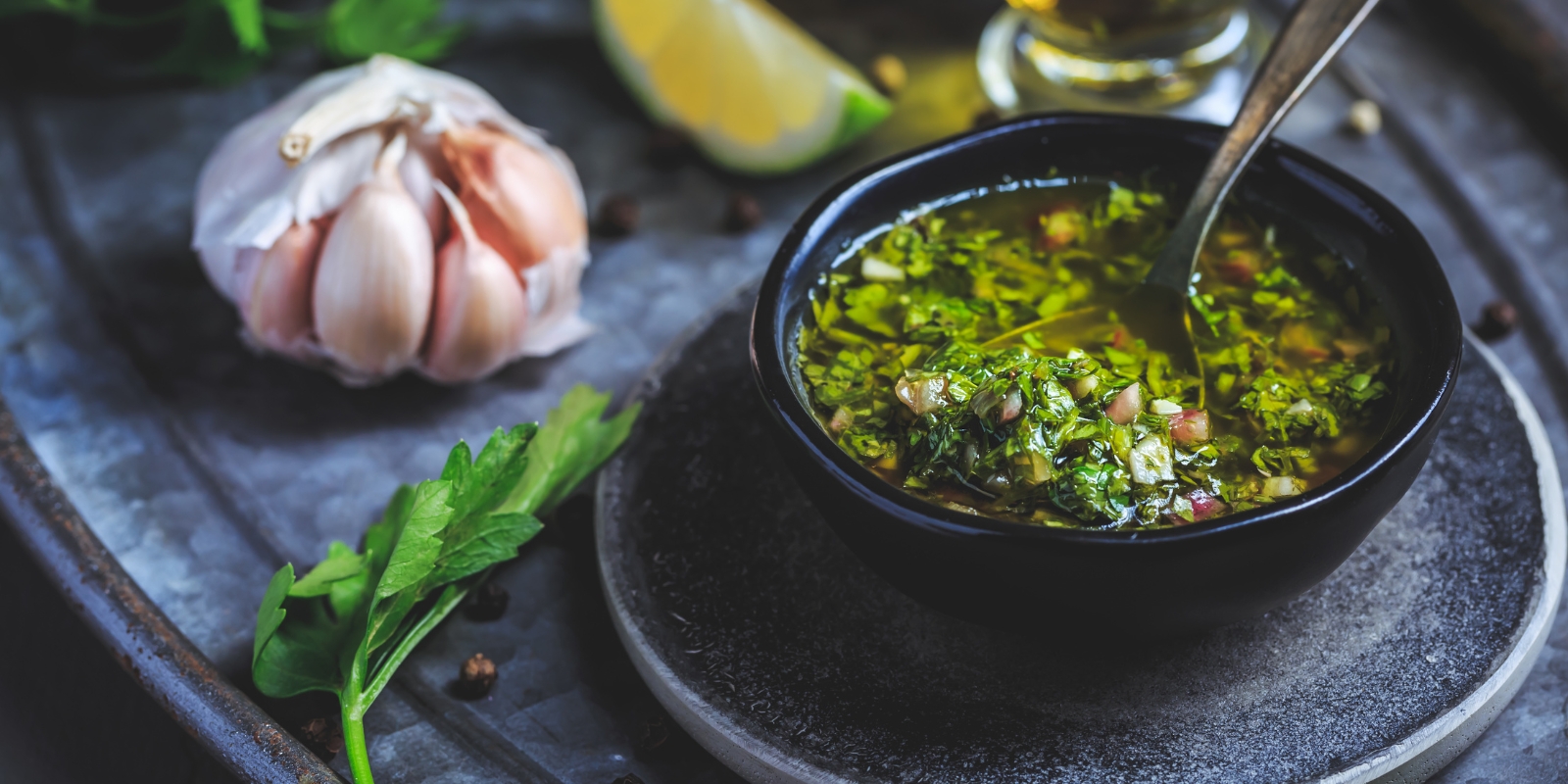
Manyindustries handle powders every day from the food sector, which deals withspices, flours, and dry mixes, to cosmetics, where powdered clays, actives, andnatural ingredients are common, and even to chemicals, with pigments,additives, and functional powders.
Thoughpowders may seem simple, they are notoriously difficult to manage. Their fineor granular consistency, tendency to compact, disperse, or absorb moisturemakes accurate dosing a critical task especially for those working with smallbatches, various containers, or high-value raw materials.
Artisanproducers often begin with manual or improvised systems. But as productionscales up, challenges emerge: product quality suffers, efficiency drops, andprofit margins shrink.
This is whyit’s essential to understand how to choose the right powder doser and to relyon professional solutions like those offered by TELM, designed andmanufactured entirely in Italy.
Whypowder dosing is challenging
Unlike liquids or solid pieces, powders have physical characteristics that make dosing particularly complex:
- Particle size → From ultra-fine and volatile powders to coarse granules, flow can vary greatly.
- Flowability → Some powders flow freely; others compact or stick to surfaces
- Moisture sensitivity → Hygroscopic powders can change consistency and weight quickly, causing instability and hygiene issues.
Without proper handling, these factors lead to off-spec packaging, product waste, machine downtime, and sanitary risks.
Powderdosing systems: screw vs vibrating channel
When choosing a powder doser, two main technologies are available:
- Volumetric Screw Doser: A rotating screw transfers powder from the hopper to the container. A load cell stops the process once the desired weight is reached. Ideal for fine and volatile powders such as flour, spices, talc, and chemical pigments.
- Vibrating Channel Doser Powder: is moved through a vibrating channel. The flow is regulated by vibration frequency and monitored by a load cell. Best suited for dry, granular, non-volatile powders—even those with solid fragments (e.g., chemical additives, coarse food powders, clays).
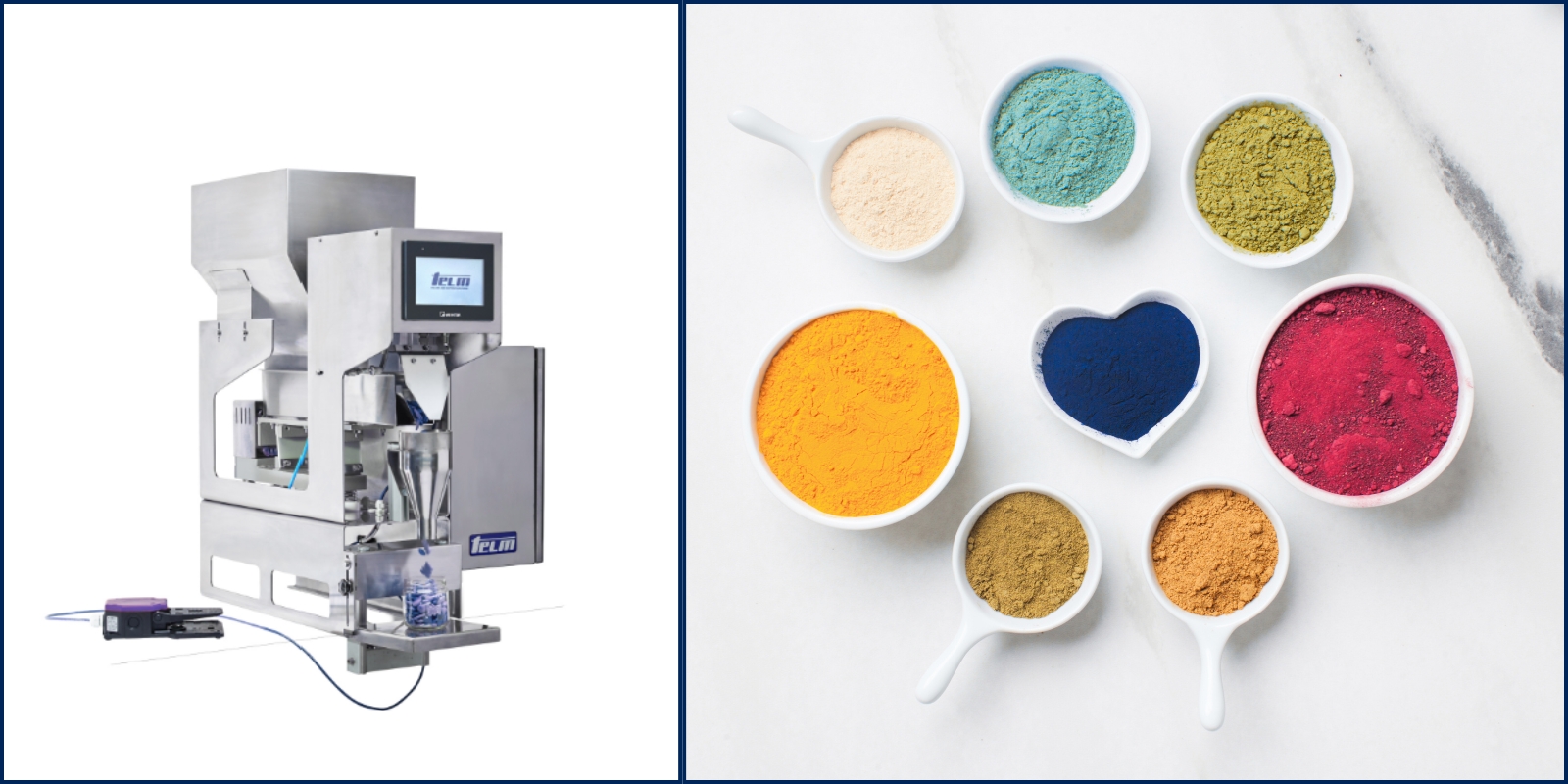
A practical example is the bench-top vibrating channel model shown below. Its vibrating movement is perfect for larger granules like rice, pasta, small biscuits, or whole spices (e.g., pepper).
This technology is especially useful in the food, cosmetics, and chemical industries when granular dosing requires both accuracy and clean handling.
Both options offer precision, repeatability, and easy integration into production lines.

What toconsider when choosing a powder doser
Each business has unique needs, but key factors to evaluate include:
- Precision and repeatability → Consistent weights across containers.
- Cleanability → Easy disassembly and washing, especially in food and cosmetic environments.
- Materials → Stainless steel is essential for hygiene and durability.
- User-friendly interface → Reduces training time and operator error.
- Modularity → Compatibility with jars, bottles, sachets, and integration into existing systems.

TELM’s Solution: the DOS04 model
To meet the demands of powder dosing, TELM has developed a range of systems, including the versatile and compact DOS04.
Key Features:
- Volumetric dosing with either screw or vibrating channel, depending on the product.
- Effective management of fine, granular, or dry blend powders.
- Easily washable components for hygiene and production continuity.
- Intuitive interface and fast batch changeovers.
- Available as a bench model or integrable into production lines.

Conclusion
Choosingthe right powder doser is critical for professionals in the food, cosmetics,and chemical sectors. A TELM volumetric doser strikes the perfectbalance between efficiency, ease of use, and operational costs—streamliningyour workflow, improving product quality, and ensuring long-term reliability.
FAQsabout TELM powder dosers
What’sthe difference between a screw doser and a vibrating channel doser?
Screw dosers are ideal for fine, homogeneous powders like flour, spices, ortalc. Vibrating channel dosers are better suited for free-flowing powders andgranules such as additives, clays, or dry blends.
In whichindustries are TELM powder dosers used?
TELM machines are used in food, cosmetics, and chemical sectors. Each model istailored to the specific product and container requirements.
Can TELMdosers be customized?
Yes, all TELM models can be configured with screws, vibrating channels, heatedhoppers, and custom accessories—allowing for fully tailored solutions in anyproduction line..